15 Airport Hacks That Save Me Time Every Trip
6/1/2026


Let's be honest—airports can be stressful. Between long security lines, delayed flights, crowded terminals, and the constant worry about making it to your gate on time, it's easy for travel day to feel more exhausting than exciting.
Over the years, I've learned that a few simple tricks can make a huge difference. Whether you're flying once a year or every month, knowing how to navigate the airport efficiently can save time, reduce stress, and help you start your trip on the right foot.
I've picked up these airport hacks through plenty of trial and error (and a few rushed sprints to the gate!). From checking in online and packing smarter to avoiding common airport mistakes, these tips have helped me spend less time waiting in line and more time enjoying my travels.
The best part? Most of these hacks are incredibly easy to implement and don't cost a thing. A little preparation before your trip can make your entire airport experience smoother, more organized, and much more enjoyable.
Want to Travel Smarter?
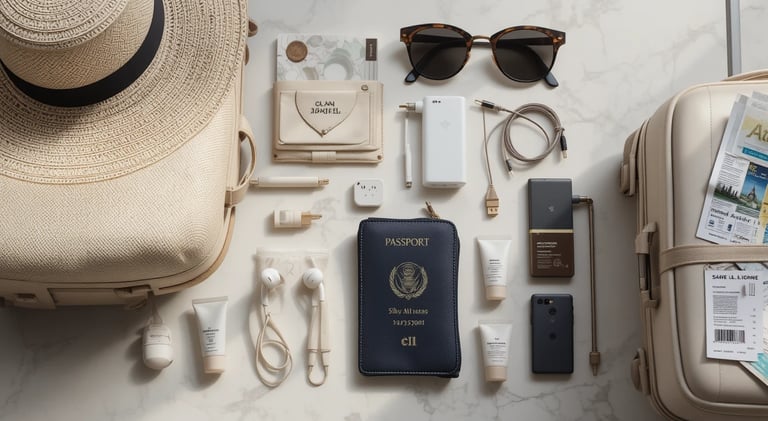
These are the airport gadgets and travel essentials I personally recommend for faster security checks, easier boarding, and a more stress-free travel experience.
Check In Before You Leave Home
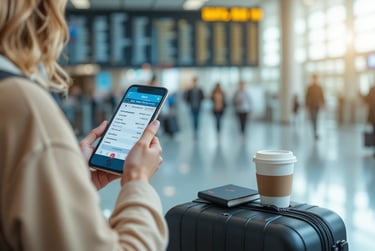
One of the easiest ways to save time at the airport is to check in online before you even leave the house. Most airlines let you check in 24–48 hours before your flight, choose your seat, and download your boarding pass straight to your phone. It only takes a few minutes and can save you a lot of waiting once you get to the airport.
I learned this the hard way after spending far too much time standing in check-in lines on past trips. Now, checking in online is one of the first things I do when it opens. On a recent trip, I arrived at the airport with less time than I would have liked, but because I had already checked in, I was able to skip the airline counter completely and head straight to security. What could have been a stressful rush turned out to be surprisingly smooth.
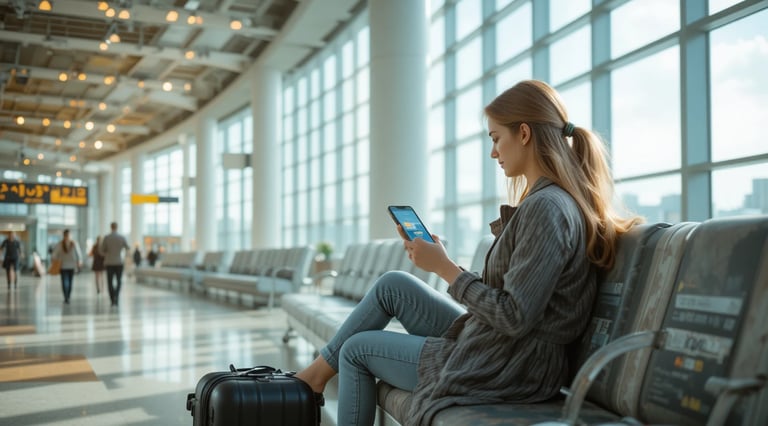
To make things even easier, I always keep my boarding pass easily accessible on my phone. I also take a screenshot as a backup, just in case the airport Wi-Fi is slow or I lose my internet connection. Another tip is to download your airline's app before your trip, as it usually keeps all your flight information in one place and sends useful updates if there are any changes.
It might seem like a small thing, but checking in online can save valuable time and make the start of your trip much more relaxed. Less waiting in lines means more time to grab a coffee, browse the airport, or simply take a deep breath before your flight.
Travel with Carry-On Luggage Whenever Possible
If there's one travel habit that has saved me the most time at airports, it's traveling with only a carry-on bag whenever possible. Skipping checked luggage means no waiting in line at the check-in counter and no standing around at baggage claim after your flight. Once you land, you can simply grab your bag and go.
Another bonus? You'll often save money on baggage fees, especially if you're flying with budget airlines. Plus, there's no risk of your luggage getting delayed or lost somewhere along the way.
I recently spent 10 days traveling around Europe with just a carry-on suitcase, and honestly, I didn't miss anything. By packing versatile clothes that could be mixed and matched, I had everything I needed without dragging around a heavy suitcase. When I landed, I was able to head straight through the airport while many other travelers were still waiting for their bags to appear on the carousel.
If you're new to carry-on travel, a little planning goes a long way. I like to use packing cubes to keep everything organized and make the most of the available space. Choosing lightweight clothing, packing only what you know you'll wear, and bringing travel-sized toiletries can make a huge difference.
Not only does traveling with a carry-on save time, but it also makes the entire trip feel simpler and less stressful. Less luggage means less to worry about—and more freedom to enjoy your journey.
Arrive at the Airport at the Right Time (Not Too Early, Not Too Late)
Getting to the airport at the right time can make a huge difference to your travel day. Arrive too late, and you'll be rushing through security with your heart racing. Arrive way too early, and you'll end up spending hours wandering around the terminal wondering why you got there so soon.
Over the years, I've found that arriving about 1.5 to 2 hours before a domestic flight is usually plenty of time. For international flights, I prefer to arrive around 2 to 3 hours before departure, especially if I'm flying from a busy airport or during peak travel seasons.
Of course, every airport is different. A small regional airport is usually much quicker to get through than a major international hub like Heathrow, Schiphol, or Frankfurt. If you're flying during school holidays, weekends, or summer vacation, it's always a good idea to allow a little extra time.
One thing I always do before heading to the airport is check my airline app for updates and look at the airport's website if available. Many airports now provide estimated security wait times, which can help you plan your arrival more accurately.
The goal isn't to arrive as early as possible—it's to arrive with enough time to get through check-in, security, and find your gate without feeling stressed. When you get the timing right, you can grab a coffee, relax, and start your trip in a much better mood.
My rule of thumb? I'd rather have 20 minutes to enjoy a coffee at the gate than spend 20 minutes sprinting through the airport trying not to miss my flight.
Wear Easy-to-Remove Shoes and Light Layers for Security
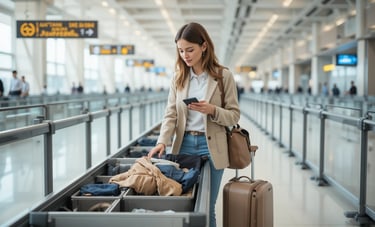
Air travel often involves navigating through security checkpoints, a process that can sometimes lead to unnecessary delays. One crucial strategy to alleviate this stress is to wear easy-to-remove shoes and light layers. By dressing practically, travelers can simplify their interactions with security personnel, thus ensuring a swifter passage through the screening area.
Footwear is a critical consideration when preparing for a flight. Opting for slip-on shoes or sandals rather than lace-up options can save valuable time. As someone who has experienced the frustration of fumbling with shoelaces while the security line moves ever so slowly, I can attest that it’s an exercise in patience. Several years ago, I found myself awkwardly trying to untie my boots as fellow travelers zipped past me, clad in their effortlessly convenient shoes. This humorous mishap prompted a re-evaluation of my airport attire.
Moreover, light layers contribute significantly to both comfort and efficiency during air travel. Airports often fluctuate in temperature, and security may require removal of certain outer garments. Wearing a light jacket or easily removable sweater not only enhances comfort but also enables you to comply with airport regulations swiftly. Choosing breathable fabrics can also assist travelers in maintaining a comfortable temperature, regardless of the climate changes outside.
In essence, the combination of practical footwear and light, versatile clothing can create a more relaxed travel experience, ensuring that you glide through the security line rather than struggle against it. Remember, the goal is to arrive at your gate feeling calm and prepared, ready to embark on your journey without unnecessary delays.
Keep Passport and Boarding Pass Easily Accessible
There are few things more frustrating than standing in a security line or at the boarding gate while desperately searching through your bag for your passport or boarding pass. I've been there, and trust me, it's not the best way to start a trip.
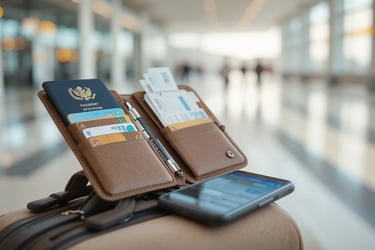
One of the easiest airport hacks is to keep all your important travel documents in one dedicated place that's easy to reach. Whether it's a passport holder, travel wallet, or a specific pocket in your carry-on, having a system can save you time and reduce stress throughout your journey.
Personally, I keep my passport, boarding pass, and travel cards together in a travel wallet. This way, whenever I need to show a document, I know exactly where to find it. No digging through backpacks, no holding up the line, and no last-minute panic.
If you're using a digital boarding pass, I also recommend downloading it in advance and taking a screenshot. Airport Wi-Fi isn't always reliable, and having a backup can save you from unnecessary stress if your internet connection suddenly disappears.
Another small tip is to place your passport and boarding pass back in the same spot every time you use them. It sounds obvious, but after a long flight or during a busy travel day, it's surprisingly easy to misplace important documents.
A good passport holder or travel wallet can make a big difference, especially if it includes space for credit cards, travel insurance information, hotel reservations, and other essentials. Keeping everything organized means you'll spend less time searching and more time enjoying your trip.
It's a simple habit, but staying organized with your travel documents can make your airport experience much smoother from check-in all the way to boarding..
Use a Portable Luggage Scale Before Leaving Home
If you've ever stood at the airport check-in counter hoping your suitcase isn't overweight, you're not alone. One of my favorite travel hacks is using a portable luggage scale before leaving home. It takes less than a minute and can save you from unexpected baggage fees and last-minute repacking at the airport.
I learned this lesson before a trip when I weighed my suitcase and discovered it was almost 4 kilos over the airline's limit. Without the luggage scale, I would have found out at check-in and probably ended up paying an expensive overweight baggage fee. Instead, I had time to remove a few unnecessary items and get my bag back within the limit.
Now, checking my luggage weight has become part of my pre-travel routine. It gives me peace of mind and helps me avoid surprises at the airport.
A portable luggage scale is small, lightweight, and easy to pack, making it one of those travel gadgets that quickly pays for itself. If you travel regularly, it's a simple tool that can save both money and stress.
Download Entertainment Before the Flight
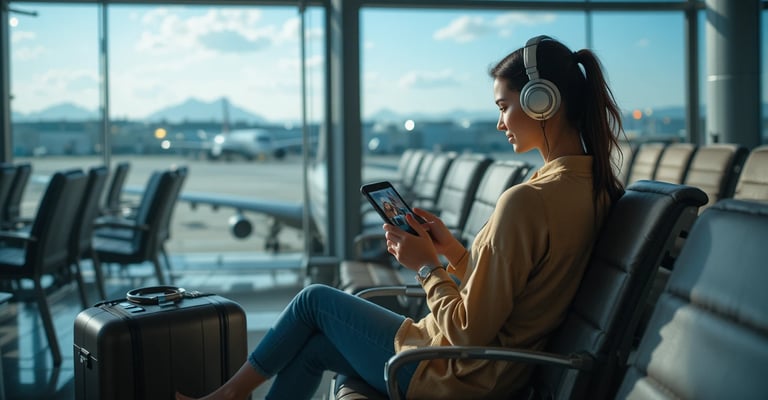
Long-haul flights often present challenges, particularly the risk of boredom during extended periods of confinement. To mitigate this discomfort, it is advisable to download entertainment in advance. By preparing a selection of movies, TV shows, podcasts, or audiobooks before your departure, you can create a personalized entertainment system tailored to your preferences.
Various streaming services now offer the option to download content directly to your device for offline viewing, which can be particularly beneficial during flights where Wi-Fi is either unavailable or prohibitively expensive. Popular services such as Netflix, Amazon Prime Video, and Disney+ allow users to download select titles to their devices. It is prudent to browse their libraries for available downloads and curate a mix of genres that cater to your mood and interests.
Additionally, music streaming platforms like Spotify and Apple Music have robust features that enable users to download playlists for offline listening. Creating a playlist filled with your favorite songs or discovering new artists can significantly enhance your travel experience. For those who enjoy immersive learning or storytelling, audiobooks and podcasts available through services such as Audible or Apple Podcasts provide excellent alternatives.
Moreover, mobile games can offer distraction and engagement, with options ranging from casual puzzles to deep RPGs. Regardless of your genre of choice, ensuring that you have a variety of entertainment options can ease the monotony of long flights and create a more enjoyable journey.
Pack a Small Airport Essentials Pouch
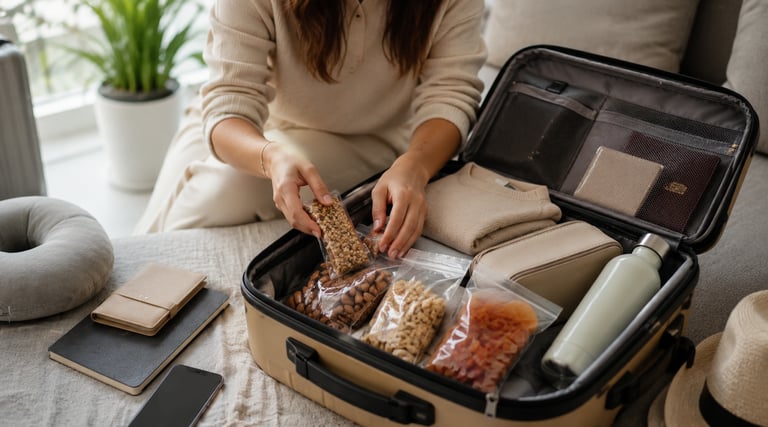
Traveling through airports can be a time-consuming process, but having a well-prepared airport essentials pouch can significantly ease the burden. This pouch should include a variety of must-have items that cater to your immediate needs during travel. Firstly, consider packing some snacks. Healthy options, such as nuts or granola bars, can stave off hunger and provide energy while waiting for your flight. Having snacks readily available can prevent unnecessary delays caused by searching for food, which can often be limited in the airport.
Another important addition to your essentials pouch is a set of travel-sized hygiene items. These should include hand sanitizer, tissues, and disinfectant wipes to maintain cleanliness during your journey. It's also beneficial to carry a small toothbrush and toothpaste, as some travelers prefer to freshen up before a flight or after meals. Including lip balm and moisturizing lotion can also enhance comfort, particularly on long-haul flights where cabin air tends to be dry.
Accessibility is key; thus, your pouch should be easily retrievable from your carry-on luggage. Opt for a lightweight, zippered case that can fit snugly into your bag without taking up too much space. When assembling your essentials pouch, it may also be wise to include a portable phone charger or power bank. A charged device ensures you can stay connected and entertained during layovers or delays.
By preparing a small airport essentials pouch with snacks and hygiene items, you can save valuable time and avoid last-minute scrambles, making your travel experience more pleasant. Not only does it minimize stress, but it also ensures that all necessary items are within reach during your journey.
Using Airport Lounge Access When Possible
Employing airport lounges can significantly enhance your travel experience, providing an oasis of comfort amidst the hustle and bustle of busy terminals. Many travelers appreciate these spaces for their calm atmosphere, comfortable seating, and amenities that contribute to a more pleasant wait time before boarding. The perks of utilizing airport lounges include complimentary snacks and beverages, which can save you money and time compared to purchasing food in the terminal. Furthermore, travelers can benefit from fast and reliable internet access, allowing them to catch up on work or stay connected with family and friends without the distractions often found in crowded public areas.
Accessing airport lounges is more attainable than it may seem, as there are multiple avenues through which travelers can gain entry. First, many credit cards offer lounge access as a benefit to cardholders, particularly premium cards that cater to frequent flyers. If you travel often, researching credit cards that include this feature could provide substantial savings and convenience. Additionally, several airline loyalty programs offer lounge memberships, which can be a worthwhile investment if you frequently fly with a particular airline.
For occasional travelers, day passes are an excellent option. Many lounges allow visitors to purchase one-time access, providing a chance to enjoy the facilities without committing to a long-term membership. This flexibility allows you to sample the lounge experience, especially on lengthy layovers or during unexpected delays.
In summary, utilizing airport lounge access can significantly reduce travel stress and enhance efficiency. By exploring various methods for access, including credit cards, memberships, and day passes, travelers can enjoy a more comfortable and productive journey, maximizing their time spent before departure.
Choose Security Lines Strategically
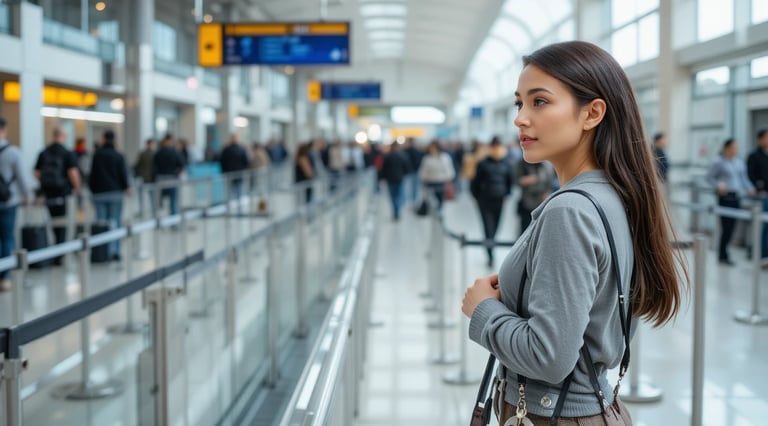
Navigating airport security can often be a time-consuming process, but there are ways to minimize delays by choosing your lines wisely. One of the most effective strategies is to assess the visual indicators of each line's speed before you join it. For instance, observe the number of people in line versus the number of TSA agents available to process them. A line with fewer travelers but more agents is likely to move faster than a long queue with a minimal workforce.
Another effective tactic is to note the items that passengers are carrying. Those with more luggage or family members tend to take longer to clear security due to the additional time needed to organize their belongings. If you notice a line with travelers who seem to be traveling light—perhaps just a small carry-on or personal item—this can often be a good indicator that you will experience a faster throughput.
During one of my recent travels, I encountered a notable example of this strategy in action. Arriving at a particularly busy airport, I quickly scanned the security lines and noticed one to my left that appeared shorter. However, it also had a larger number of passengers with multiple bags. Meanwhile, the line to my right, although seemingly longer, consisted of individuals with few items. Trusting my instincts, I opted for the seemingly longer line. As it turned out, my choice was validated when I completed the security check much faster than those who had chosen the shorter line. This experience reinforced the importance of observing rather than simply counting the number of people in the queue.
In conclusion, being strategic about which security line to select can save valuable time during your airport journey. By observing the number of passengers and the types of items they carry, you can increase your chances of a quicker transition through security checks.
Charge Devices Before Arriving at the Airport
In today’s world, where connectivity and access to information are paramount, ensuring that your electronic devices are fully charged before arriving at the airport is essential. A significant amount of time at the airport is spent waiting, whether it’s for check-in, security processes, or boarding. During this waiting period, travelers often rely on their smartphones, tablets, or laptops for various purposes, such as entertainment, communication, and navigation. Therefore, having charged devices can significantly enhance the overall travel experience, reducing stress and ensuring seamless connectivity.
One common inconvenience that travelers encounter is a low battery on their electronic devices at crucial points during their journey, especially while consuming content to pass the time or when needing to communicate with family or business contacts. To mitigate this issue, it is advisable to charge all devices completely before heading to the airport. This proactive step can make a considerable difference, allowing you to stay connected throughout your travel.
Additionally, it can be helpful to invest in a reliable power bank or portable charger. These devices allow for on-the-go charging, ensuring that if your battery runs low, you can recharge your device without needing to locate a power outlet, which can be particularly scarce in busy airport terminals. Many power banks are compact and lightweight, making them easy to carry in your bag or pocket, serving as a convenient solution for maintaining battery life during travel.
In conclusion, prioritizing the charging of your electronic devices before arriving at the airport, along with utilizing power banks for additional battery support, can provide a more enjoyable and connected travel experience. By taking these steps, you can eliminate the frustration of low battery and focus on the journey ahead.
Download Airline and Airport Apps
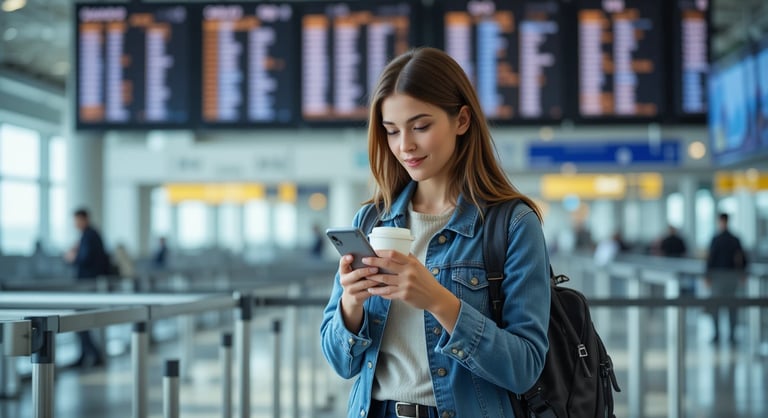
In today’s fast-paced travel environment, staying informed is crucial for a seamless airport experience. Downloading airline and airport apps can significantly enhance your travel efficiency by providing real-time updates, which keeps you on track throughout your journey. These applications serve as an essential tool for both frequent flyers and occasional travelers alike.
One of the key advantages of using airline apps is the ability to track flights. Most airline applications offer real-time flight status updates, allowing travelers to monitor any changes in departure or arrival times. This feature is helpful for those who want to avoid unnecessary waits at the airport due to delays or cancellations. Additionally, these apps often allow users to sign up for notifications, providing alerts straight to their devices—eliminating the need to check online continually.
Another significant benefit of downloading airport apps is the ease of accessing crucial gate information. As gate assignments can change frequently, having this information readily available on your smartphone ensures you can make timely adjustments to your travel plans. Airports such as Los Angeles International Airport (LAX) and New York’s JFK provide dedicated apps that include maps, dining options, and even wait times for security lines, helping you plan your time more effectively.
Examples of highly-rated airline apps include the United Airlines app and Delta Air Lines app, both of which facilitate check-in, boarding passes, and other essential services. Moreover, airport-specific applications, like the TSA app, offer useful resources such as security checkpoint wait times, further enhancing overall travel efficiency. By leveraging the advancements afforded by technology in airline and airport applications, travelers can optimize their journey, thereby saving valuable time on every trip.
Keep Snacks in Your Carry-On
Traveling through airports can often lead to unexpected delays, long lines, and even hunger pangs. One effective way to mitigate the impact of unforeseen circumstances is by bringing snacks in your carry-on luggage. Packing snacks not only helps you avoid the hassle of overpriced airport food, but it also ensures that you have something to eat when the hunger strikes, allowing you to maintain your energy levels throughout your journey.
When planning your snacks, consider options that are both nutritious and easy to pack. For instance, nuts and seeds are an excellent choice because they are calorie-dense, packed with protein, and can be eaten quickly without the need for preparation. Granola bars and protein bars also make convenient snacks, providing a good balance of carbohydrates and protein. Dried fruit is another healthy alternative, offering natural sugar and fiber that can help curb cravings.
When selecting snacks, whole grain crackers paired with cheese or a nut butter can serve as a satisfying option, delivering essential nutrients while being easy to consume during your travels. For something refreshing, consider packing cut-up vegetables or a piece of fruit, such as apples or bananas, which can also be easily eaten on-the-go.
It's important to remember that while some snacks can pass through security, liquids and gels are subject to restrictions. Therefore, avoid bringing anything that could fall under these categories. By keeping a well-thought-out selection of snacks in your carry-on, you can be better prepared to handle delays or wait times at the terminal, making your travel experience much more pleasant.
Always Have a Backup Plan for Delays
Traveling often presents unexpected challenges, not the least of which are delays at airports. Whether these delays stem from weather-related issues, technical difficulties, or security checks, they can significantly impact your travel itinerary. To mitigate the frustration that accompanies such situations, it is prudent to always have a contingency plan in place.
The unpredictable nature of travel demands that travelers be prepared for any eventuality. It is advisable to research alternative routes well in advance. For instance, if your primary flight is delayed, knowing about other airlines or backup flights to your destination can save you considerable time. Additionally, consider the possibility of connecting flights that could facilitate a quicker arrival.
Moreover, if you anticipate potential delays, you may want to identify nearby accommodations. Booking flexible hotel options that allow for last-minute changes can provide peace of mind. In situations where a prolonged layover occurs or a flight is significantly delayed, having the knowledge of local hotels or lodgings can be immensely beneficial.
Utilizing travel apps that provide real-time updates on flight statuses can also aid in making informed decisions regarding alternative arrangements. Many apps have features that alert you to changes, cancellations, or new flight options that you may not be aware of. This proactive approach not only eases the stress of travel but also ensures that you remain adaptable in the face of unforeseen delays.
In summary, always having a backup plan for delays is a critical aspect of modern travel. By exploring alternative routes and knowing local accommodations, travelers can navigate through disruptions more successfully, ensuring a smoother overall travel experience.
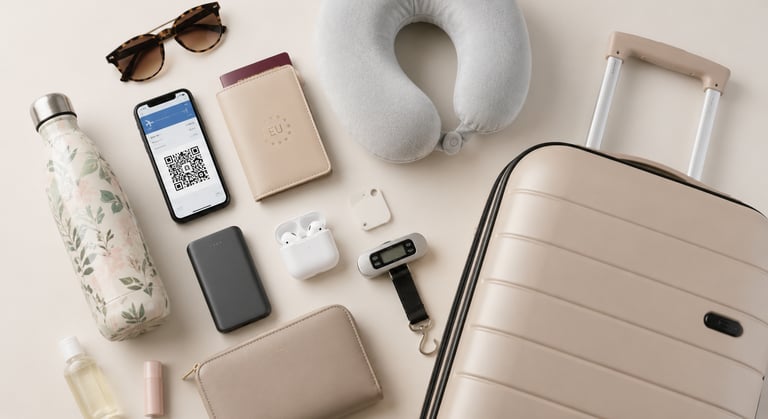
My Must-Have Airport Essentials
Traveling through airports can often be a stressful experience, but equipping oneself with the right essentials can significantly enhance comfort and organization. Over the years, I have curated a personal collection of must-have travel items that streamline my airport visits.
One of my top essentials is packing cubes. These handy organizers allow me to neatly compartmentalize my clothing and accessories, making it easy to locate items without rummaging through my luggage. By using packing cubes, I can maximize space and maintain order, which is particularly advantageous when juggling multiple bags through crowded terminals.
Another crucial addition to my travel toolkit is compression socks. Long hours spent sitting during flights can lead to discomfort and swelling in the legs. Compression socks provide support, improving circulation while keeping my feet feeling fresh. I find that wearing them not only enhances my comfort during transit but also helps to ward off fatigue upon arrival.
A quality travel pillow is also indispensable in my preparation for airport travel. Opting for a neck pillow designed to provide ergonomic support can transform any layover or flight into a more restful experience. I prefer pillows that are adjustable and compact, making them easy to carry while ensuring they contour perfectly to my neck during rest.
These essentials—packing cubes, compression socks, and travel pillows—have become fundamental to enhancing my overall airport experience. Ensuring comfort and organization can make a significant difference in how one approaches travel, allowing for a more enjoyable journey. Incorporating such items into your airport routine undoubtedly leads to a smoother and more efficient travel process.
Final Thoughts: Travel Smarter, Stress Less
Traveling through airports can often feel overwhelming, but implementing effective airport hacks can significantly enhance your experience. By adopting these practical strategies, travelers can navigate the complexities of air travel with ease, ultimately transforming stressful moments into smoother transitions. The airport hacks discussed here are not just clever tricks; they represent small yet impactful adjustments that can save time and reduce frustration.
For instance, utilizing mobile boarding passes minimizes paper usage while streamlining the boarding process. Similarly, strategic packing, such as organizing items in a way that facilitates easy access during security checks, can lead to a more efficient experience. Taking advantage of various airport amenities and services, like lounges or expedited security lines, can further mitigate common travel stressors.
Therefore, it is essential for travelers to consider implementing these airport hacks on their next journey. Simple changes in habits, such as knowing the best times to arrive at the airport or planning routes ahead of time, can yield considerable time savings. As a result, travelers can enjoy a more relaxed journey and focus on the purpose of their travels, whether it be leisure or business.
Moreover, as you explore different airports, you will likely discover unique hacks and tips specific to each location. Embedding this culture of smart travel into your routine not only enhances your efficiency but also allows for a more enjoyable travel experience overall. By traveling smarter, we can all stress less and make the most out of our journeys.
*Disclosure: This page contains affiliate links. If you purchase after clicking one of these links, we earn a small commission at no extra cost to you. It’s a win-win!