Modern Hacks for the Eco-Conscious (and Tech-Savvy) Traveler
Travel smarter, pack lighter, and reduce your impact. Modern travel isn't just about getting from A to B anymore. With the right gadgets, apps, and eco-friendly habits, you can make your trips easier, more organized, and more sustainable at the same time.
6/1/2026
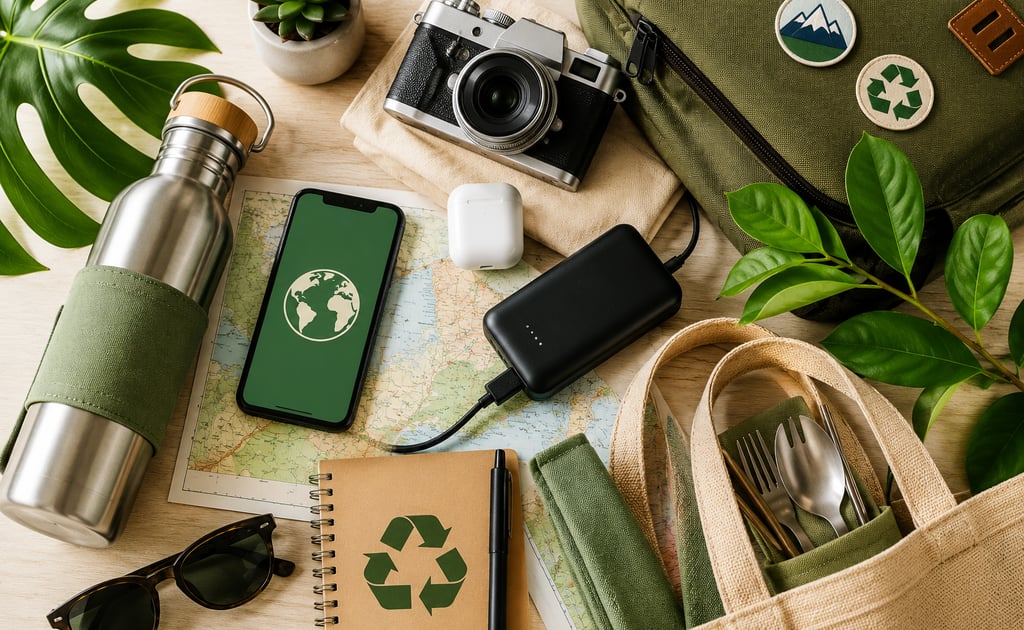
Travel has changed a lot over the last few years. These days, it's easier than ever to explore the world thanks to smartphones, travel apps, online booking platforms, and countless gadgets designed to make life on the road simpler.
At the same time, many travelers are becoming more aware of their impact on the environment. More people are looking for ways to reduce waste, make smarter choices, and travel more responsibly without sacrificing comfort or convenience.
Personally, I love finding travel hacks that do both. Whether it's using a reusable water bottle instead of buying plastic bottles, storing all my travel documents digitally, or relying on apps that help me navigate new cities, small changes can make a big difference.
Technology has made travel smoother than ever. With a few taps on your phone, you can check in for your flight, download offline maps, find eco-friendly hotels, track your luggage, or even navigate public transportation in a city you've never visited before. These tools save time, reduce stress, and often help you travel more sustainably too.
The good news is that being an eco-conscious traveler doesn't mean giving up comfort. In fact, many sustainable travel habits are also more convenient and budget-friendly. Packing lighter, carrying reusable essentials, supporting local businesses, and using digital tools can all make your trips easier while helping reduce your environmental footprint.
In this guide, I'll share some of my favorite modern travel hacks that help me travel smarter, stay organized, save money, and make more eco-friendly choices along the way.
1. Use Digital Boarding Passes
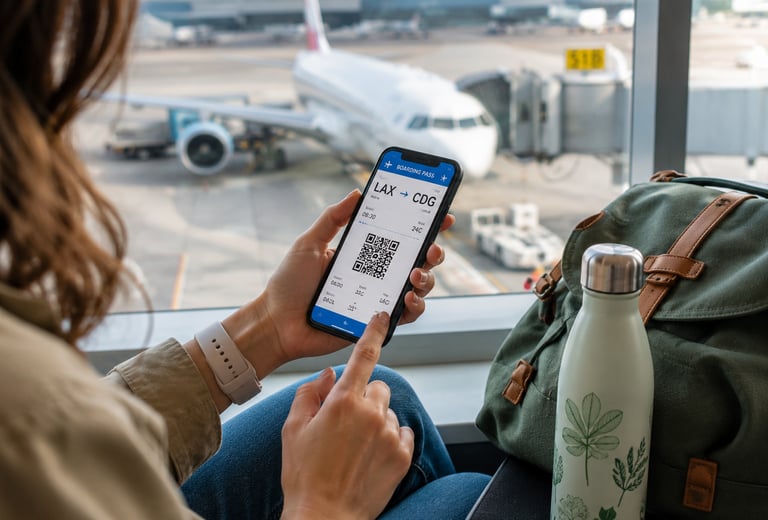
One of the easiest travel hacks is switching to digital boarding passes instead of printing them out. Most airlines now let you check in online and store your boarding pass directly on your phone, making travel a little simpler and a lot less cluttered.
Not only is it more convenient, but it's also a small way to reduce paper waste. It might not seem like much, but when millions of travelers use digital boarding passes instead of printing paper copies, it adds up. Plus, you don't have to worry about losing a printed boarding pass somewhere between security and your gate.
I've been using digital boarding passes for years, and I honestly can't imagine going back. Everything is stored in one place on my phone, and I can pull it up in seconds whenever I need it. No digging through my bag, no crumpled pieces of paper, and no last-minute panic when boarding starts.
One tip I always recommend is taking a screenshot of your boarding pass as a backup. Airport Wi-Fi isn't always reliable, and having a screenshot means you can still access it even if you lose your internet connection. I also like to save it in my phone's wallet app so it's easy to find.
It's a small change, but digital boarding passes make travel smoother, more organized, and a little more eco-friendly. Sometimes the simplest travel hacks are the ones that make the biggest difference.
2. Download Maps for Offline Use
In today’s tech-driven world, downloading maps for offline use has become essential for travelers seeking both convenience and cost savings. Travelers often find themselves in areas where data connectivity is limited or where roaming charges can quickly add up. By downloading maps before a trip, individuals can access navigation services without relying on mobile data. This practice is particularly beneficial in foreign cities where data roaming fees might exceed expected costs.
Using offline maps not only mitigates potential expenses but also alleviates the stress of getting lost in unfamiliar surroundings. Imagine finding yourself wandering through the bustling streets of a new city, with no reliable internet connection. In such moments, having an offline map can be a lifesaver, allowing travelers to navigate from one landmark to another seamlessly.
Popular apps such as Google Maps, Maps.me, and Citymapper provide excellent offline features. For example, Google Maps enables users to download specific regions, allowing for detailed navigation even without an internet connection. Similarly, Maps.me offers a user-friendly interface with comprehensive maps perfect for outdoor activities, ensuring that travelers can access hiking trails and scenic routes without any hurdles. Before embarking on a journey, it is advisable to download the specific areas to be visited, focusing on points of interest, accommodations, and essential services.
In addition to downloading, travelers should consider regularly updating their map applications to include the latest changes in routes and new establishments. Moreover, utilizing these maps in conjunction with travel guides can enhance the travel experience by providing context to the locations being explored. Ultimately, downloading maps for offline use not only makes traveling more enjoyable but also provides peace of mind to the eco-conscious and tech-savvy traveler alike.
3. Bring a Reusable Water Bottle
In an age where environmental consciousness is more critical than ever, using a reusable water bottle emerges as a simple yet impactful choice for travelers. Not only does it contribute positively to the environment by reducing single-use plastic waste, but it also provides financial benefits during travel. With millions of plastic bottles finding their way into landfills each year, opting for a durable, reusable bottle can significantly lessen one’s carbon footprint.
From personal experience, my travels across Europe exemplify this dual benefit. Initially hesitant, I decided to bring a reusable stainless steel water bottle on a trip through France. Each day, I filled it at numerous public water refill stations that city officials installed to encourage hydration while reducing plastic waste. By avoiding the purchase of bottled water, I saved a substantial amount of money — a few euros add up quickly. By the end of the two-week vacation, I realized I had saved over 30 euros, which would have otherwise gone towards buying single-use plastic bottles.
Many airports and tourist locations across the globe now recognize the importance of sustainability and have set up refill stations, making it easier than ever for travelers to stay hydrated without contributing to plastic pollution. In my subsequent travels to Japan, I found similar facilities. Whether it was at a bustling train station or a serene park, there were always options available to refill my bottle. This accessibility reinforced my commitment to sustainable habits during travel. Ultimately, bringing a reusable water bottle not only simplifies staying hydrated but also enables travelers to actively participate in the global shift towards environmental responsibility.
4. Use a Portable Power Bank
In today’s hyper-connected world, staying powered up while traveling has never been more crucial. A portable power bank has emerged as an essential gadget for eco-conscious and tech-savvy travelers alike. This compact device allows you to charge your smartphones, tablets, and other gadgets on the go, ensuring that you remain in touch with loved ones, can navigate unfamiliar places, or even capture picturesque moments without the anxiety of a drained battery.
Many travelers find themselves in situations where access to traditional power outlets is limited, such as during long flights, remote hikes, or extended layovers. Here, a high-capacity power bank becomes invaluable. It serves not only as a backup power source but also as a facilitator of smoother travel experiences. Imagine being on a beautiful day tour only to discover that your device is low on battery; having a portable charger at your disposal allows you to recharge without stopping your exploration.
When selecting the right power bank, consider the total capacity measured in milliampere-hours (mAh). A good rule of thumb is that a power bank with at least 10,000 mAh can charge a smartphone multiple times. Additionally, take into account the number of output ports available, which will determine how many devices can be charged simultaneously. Features such as rapid charging technology and built-in safety mechanisms are also beneficial, providing efficiency and protecting your devices during the charging process. Personal experiences have shown how a dependable power bank can salvage a day. Whether it is a sudden need for navigation or an unexpected online meeting, having this gadget handy can make all the difference in achieving a successful travel experience.
5.Track Your Luggage with Smart Trackers
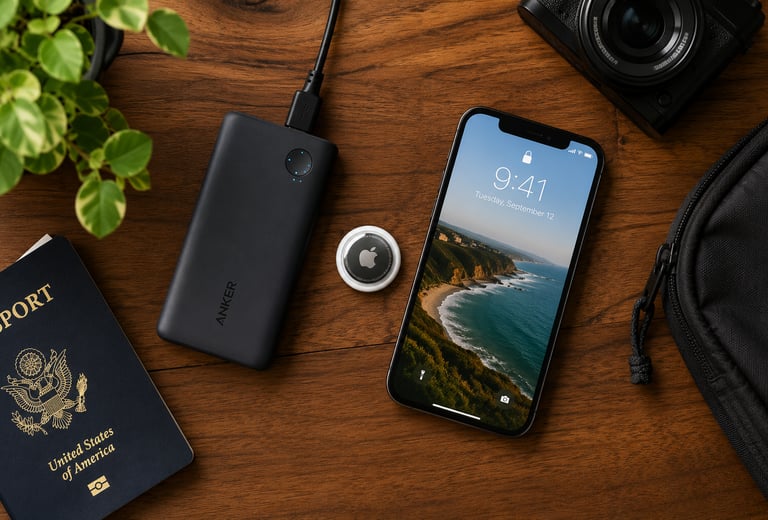
One of my favorite modern travel gadgets is a smart luggage tracker. Whether it's an AirTag or another GPS-enabled tracker, it's a simple way to keep an eye on your bags and avoid a lot of unnecessary stress.
Let's be honest—most of us have worried about lost luggage at some point. While airlines are usually good at reuniting passengers with their bags, it can still be frustrating not knowing where your suitcase is. That's where a luggage tracker can be a real game changer.
I always place a tracker inside my checked suitcase before I travel. If my bag gets delayed, I can quickly open an app on my phone and see its last known location. Instead of wondering whether it's still at the departure airport, on the wrong plane, or already at my destination, I have a much better idea of where it actually is.
Thankfully, I've never completely lost a suitcase, but there have been a few times when my luggage didn't arrive when I did. Knowing exactly where it was gave me a lot more confidence when speaking with airline staff and made the whole situation much less stressful.
Smart luggage trackers aren't just useful for checked bags either. Many travelers also use them in carry-ons, backpacks, camera bags, and even passport holders for extra peace of mind.
It's one of those travel gadgets that you hopefully won't need often, but when you do, you'll be very glad you packed it. For me, it's become a permanent part of my travel checklist.
6.Use e-SIMs Instead of Physical SIM Cards
As the travel landscape evolves, so too do the technologies that enhance the experience of travelers. One such advancement is the e-SIM (embedded SIM) technology, which presents a revolutionary alternative to the traditional physical SIM cards. With the e-SIM, travelers can seamlessly activate their mobile data plans without needing to change SIM cards, simplifying connectivity while abroad.
The primary benefit of using e-SIM technology lies in its convenience. Instead of purchasing a local SIM card upon arriving in a new country, travelers can download data plans directly onto their devices. This not only eliminates the hassle of finding local vendors but also enables users to switch between different local carriers as needed. The ability to select the most suitable connection for specific circumstances—be it speed, cost, or coverage—affords considerable flexibility, ensuring that travelers remain connected at all times.
Moreover, this technology minimizes plastic waste. Traditional SIM cards contribute to environmental pollution, as plastic and electronic waste continue accumulating worldwide. By opting for e-SIMs, travelers can significantly reduce their environmental footprint. A personal experience with an e-SIM illustrated this point effectively; while roaming through Europe, I managed to maintain stable internet connectivity without needing to handle physical SIM cards. This proved particularly advantageous when moving across borders and retaining seamless access to important travel resources.
In terms of compatibility, most modern smartphones are e-SIM capable, facilitating a shift that aligns with eco-conscious travel practices. As e-SIM technology gains traction, it plays an essential role in integrating technology into travel while supporting sustainability. Overall, adopting e-SIMs not only streamlines the travel experience but also embodies a commitment to reducing the impact of our choices on the planet.
7.Pack a Universal Travel Adapter
Traveling in today's interconnected world often requires the use of various electronic devices, from smartphones and tablets to laptops and e-readers. If you are an eco-conscious, tech-savvy traveler, one of the essential items you should not overlook is a universal travel adapter. A universal adapter can significantly streamline your travel experience by allowing you to charge multiple devices without the need for multiple chargers, thereby minimizing clutter in your luggage.
Universal travel adapters have the capability to fit different plug shapes used in various countries, which means you won’t need to carry several adapters for different regions. Instead, one adaptable device serves multiple purposes, making it convenient and eco-friendly. This not only helps in reducing waste generated by having multiple chargers but also saves space, allowing you to pack other essential items in your bag.
When selecting a universal travel adapter, it is crucial to consider the voltage compatibility, the number of devices you intend to charge, and additional features such as built-in USB ports. Some adapters facilitate simultaneous charging for multiple devices, which is particularly beneficial for group travels. For instance, during a recent trip to Europe, I had forgotten the charger for my phone, but luckily I had my universal adapter in tow. It allowed me to connect with fellow travelers to share charging capabilities, enhancing our travel experience and forming connections along the way.
In conclusion, using a universal travel adapter is more than just a convenience; it’s a thoughtful choice for eco-conscious travelers. It reduces clutter and supports sustainable travel practices, allowing you to enjoy your adventures while remaining mindful of your environmental footprint.
8.Utilizing Public Transportation Apps
Traveling to new cities presents an opportunity to explore local cultures, and one of the most efficient ways to do this is by using public transportation apps. Instead of relying on taxis or rideshare services, these apps provide a modern solution that caters to eco-conscious travelers. By utilizing public transit systems, travelers can reduce their carbon footprint while also minimizing travel expenses.
Several apps have gained prominence for their effectiveness in navigating public transportation systems. Apps like Citymapper and Google Maps are indispensable tools that offer real-time data about bus, tram, and subway routes. They not only help travelers plan their journeys efficiently but also provide updates on delays or service changes, contributing to a seamless travel experience. Additionally, many cities have their dedicated transit apps, such as Transit and Moovit, which add localized insights and features tailored to specific areas.
Through personal experiences, it becomes evident that public transportation apps liberate travelers from the constraints of scheduling, allowing for spontaneous exploration of urban landscapes. Having the ability to plan routes on the go increases confidence, empowering travelers to navigate unfamiliar territories with ease. By mapping out journeys in real-time, users gain the freedom to immerse themselves in their surroundings without the stress of hailing a cab.
Moreover, utilizing public transit can lead to considerable savings. In many cities, the cost of a single subway ticket is significantly lower than that of a taxi fare, especially for longer distances. This financial benefit enables travelers to allocate their budget toward experiences such as local dining or attractions rather than expensive transport options. Overall, public transportation apps present a practical, eco-friendly, and cost-effective method for navigating cities, making them an essential tool for anyone traveling.
9.Choosing Eco-Friendly Accommodation
As travelers become more conscious of their environmental impact, selecting eco-friendly accommodation is a crucial step towards practicing sustainable tourism. An eco-friendly hotel or lodging option emphasizes environmentally-conscious practices, ranging from energy-saving measures to sustainable building materials. When seeking out these establishments, travelers should look for properties that are recognized with eco-certifications such as LEED (Leadership in Energy and Environmental Design), Green Key, or Energy Star. These certifications ensure that the property meets specific standards for sustainability and reduces its ecological footprint.
Supporting businesses that prioritize environmentally friendly practices not only contributes to conservation efforts but also promotes a green economy. By choosing eco-certified properties, travelers can encourage the hospitality industry to adopt more responsible standards and practices. This collective support leads to widespread changes within the industry, promoting further sustainability initiatives.
To find eco-friendly accommodations, consider utilizing platforms that specialize in listing sustainable options. Websites such as EcoBnB or Green Hotels offer extensive databases of properties that meet specific environmental criteria. Travel review websites often have filters for eco-certifications, making it easier to locate sustainable hotels within desired destinations. Furthermore, reading reviews from previous guests can provide insights into the genuine eco-friendliness of the hotel, revealing details about energy sources, recycling programs, and water conservation strategies.
Personal experiences staying at eco-friendly accommodations can illuminate the benefits these practices offer. Many such properties not only provide comfortable lodging but also enhance the overall travel experience through unique amenities such as organic dining options, educational tours, or participation in local conservation efforts. Travelers will find that embracing eco-friendly accommodation enriches their journeys while minimizing their environmental impact, ultimately leading towards a more sustainable future for tourism.
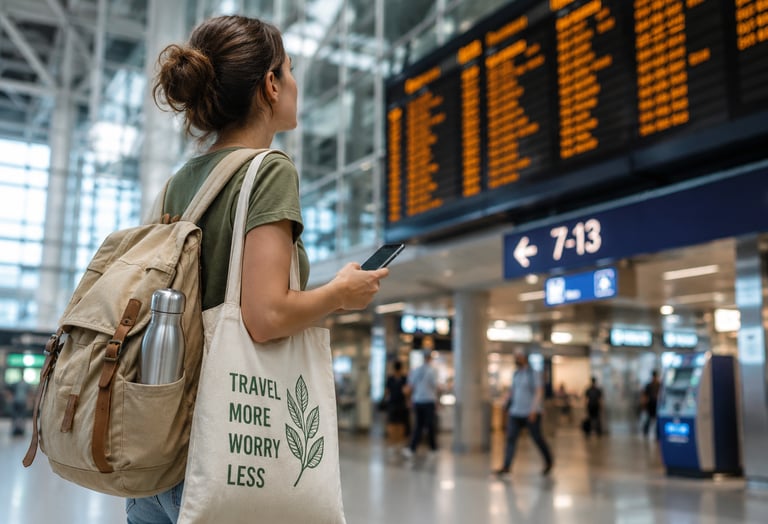
10. Bring Reusable Shopping Bags
Incorporating reusable shopping bags into your travel routine offers not only practicality but also aligns with eco-friendly practices. These durable bags serve multiple purposes and can effectively replace single-use plastic bags that contribute significantly to environmental degradation. By investing in a few high-quality, foldable reusable bags, travelers can address various needs that arise during a trip, from carrying groceries to transporting souvenirs.
When shopping for essentials—whether it be a local market's fresh produce or artisanal crafts—using a reusable bag helps minimize plastic waste. Many destinations have implemented bans or fees on plastic bags, making these eco-friendly alternatives an even more viable option. The lightweight design of reusable bags allows for easy packing and can be conveniently stored in luggage or a carry-on.
My experiences with reusable shopping bags while traveling have been overwhelmingly positive. For example, during a recent trip to Barcelona, I opted to carry a sturdy, stylish tote that not only complemented my outfits but also proved to be incredibly useful. It easily accommodated fresh fruits from local markets, bread from charming bakeries, and even a couple of handmade souvenirs. Notably, the vendors appreciated my efforts to reduce plastic use, often offering discounts when I declined their single-use bags.
Furthermore, many travelers can attest to the long-lasting quality of reusable shopping bags, making them a worthwhile investment. They are generally machine-washable, which ensures cleanliness and hygiene—a crucial consideration while exploring various regions. Eco-conscious travelers can enjoy peace of mind knowing their decisions are contributing positively to the environment, while also enhancing their travel experiences.
11.Store Travel Documents Digitally
In the age of technology, the ability to store travel documents digitally has become an invaluable advantage for eco-conscious and tech-savvy travelers alike. Digitizing documents such as passports, itineraries, insurance details, and emergency contacts not only promotes better organization but also enhances accessibility during your travels.
Having your travel documents saved on your smartphone or in a cloud storage service can dramatically reduce the need for physical paperwork, contributing to less waste and a lighter travel load. Important files can be scanned or photographed and then saved in secured applications or drives, thus minimizing the risk of losing crucial information. Furthermore, apps like Google Drive, Dropbox, and Evernote provide encryption and easy sharing options, ensuring that the data remains private yet reachable when you need it.
Organizing your digital files is key; create specific folders for various types of documents, such as flights, accommodations, and emergency contacts. It is also prudent to back up your documents in more than one location. For instance, keeping copies in both a cloud service and on your device ensures access even in cases of device failure.
For added security, consider using password protection for sensitive documents. Applications like LastPass or 1Password offer secure storage options for passwords as well as the ability to save vital travel details securely. Moreover, many travel apps, such as TripIt, can also consolidate your travel plans and documents in one centralized location, streamlining your travel experience.
In conclusion, the practice of storing travel documents digitally allows travelers to maintain organization and accessibility, decreasing reliance on paper documents while enhancing travel preparedness. Utilizing various applications and cloud services can significantly contribute to a more efficient and eco-friendly journey.
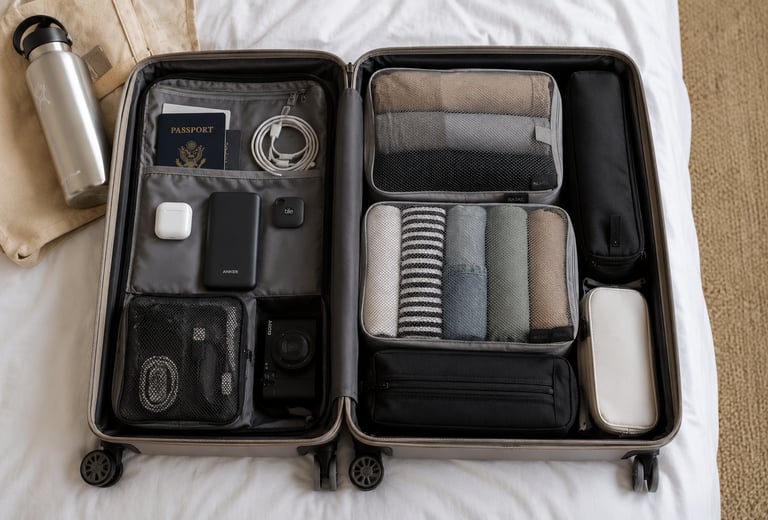
12.Use Packing Cubes for Smarter Packing
Packing cubes have become an essential tool for travelers seeking both organization and efficiency in their packing habits. These versatile fabric containers are designed to compartmentalize clothing and belongings into manageable sections, allowing for quicker access and enhanced tidiness. The implementation of packing cubes transforms the chaotic experience of packing into a streamlined process, setting the stage for a more enjoyable travel experience.
Available in a variety of sizes, packing cubes can accommodate everything from bulky jackets to delicate undergarments. This size variability enables travelers to segment their items based on categories such as tops, bottoms, and accessories, thereby enhancing organization. For example, using a larger packing cube for sweaters while reserving smaller ones for socks and toiletries can optimize suitcase space and minimize the chances of overpacking.
One of the significant benefits of utilizing packing cubes is their ability to discourage overpacking. By visually managing your items within designated cubes, it becomes easier to identify the essentials versus the non-essentials. Personally, I have found that employing packing cubes has not only significantly reduced the number of items I bring on trips but has also led to a more relaxed and organized travel environment. Instead of rummaging through a jumbled suitcase, I can effortlessly retrieve specific items, enhancing my travel efficiency.
Furthermore, packing cubes facilitate the unpacking process at the destination. Instead of scattering everything in drawers or on surfaces, I can simply place the entire cube in a closet, maintaining organization throughout my stay. The long-term advantages of packing cubes extend beyond mere packing—they contribute to a more eco-conscious approach to traveling by encouraging thoughtful selections of clothing and minimizing waste associated with excess luggage. Overall, integrating packing cubes into your travel routine is an effective strategy for achieving smarter packing, ensuring every trip is both efficient and eco-friendly.
13.Download Entertainment Before Flying
For the eco-conscious and tech-savvy traveler, preparing for a long flight entails more than just packing sustainably; it also includes ensuring a library of entertainment is readily available. In-flight entertainment options can often be limited, unreliable, or even non-existent, so downloading your own material before departing can greatly enhance your travel experience.
Not only does this preparation circumvent potential risks associated with in-flight entertainment systems—such as malfunctioning screens or the unavailability of preferred shows and movies—but it also alleviates concerns regarding data usage. Many air travelers encounter restrictions on accessing streaming services while in the air, and those relying on mobile data must be mindful of exorbitant charges. By downloading content to your devices ahead of time, you eliminate these hassles and make the most of your travel hours.
When curating your travel entertainment library, consider a mix of engaging podcasts, thought-provoking audiobooks, or riveting documentaries to pass the time. For movie enthusiasts, platforms such as Netflix and Amazon Prime Video offer options to download episodes and films directly to your device. Alternatively, you may also opt for music playlists on streaming services like Spotify or Apple Music to create a personalized soundtrack for your journey.
For a seamless experience, ensure your downloads are completed well before your departure. I recommend checking your device’s storage to verify it has ample capacity for your selected content. My personal favorites include epic fantasy novels and award-winning podcasts that provide a deep dive into intriguing topics, making my travels memorable. By investing time in preparing your entertainment, you contribute to a more enjoyable and relaxed flight atmosphere.
14.Travel with Multi-Purpose Items
In the realm of eco-conscious travel, selecting multi-purpose items emerges as a highly effective strategy. By opting for versatile products, travelers can significantly decrease the number of items they bring, ultimately minimizing waste and reducing their carbon footprint. The philosophy here is that fewer items not only simplify packing but also encourage more thoughtful consumption practices.
A classic example of a multi-purpose travel item is a sarong. This versatile piece of fabric can function as a beach cover-up, a picnic blanket, a scarf, or even a makeshift bag. The adaptability of a sarong not only saves space in your luggage but allows travelers to creatively use a single item in multiple contexts. Similarly, a lightweight travel towel can serve as a beach towel, a quick-dry gym towel, or an extra layer during chilly nights. These items are not merely practical; they also promote sustainability by reducing the need to purchase less efficient single-use alternatives.
Moreover, personal experiences often illuminate the advantages of packing multi-purpose items. For instance, during a recent backpacking trip through Southeast Asia, I found that a simple multipurpose tool, which combined a knife, bottle opener, and screwdriver, proved invaluable. It served me well for opening food packages, securing my gear, and aiding in general campsite maintenance. Each use reinforced the convenience and practicality of carrying an item that fulfilled several roles.
Ultimately, the focus on multi-purpose travel items encourages a more minimalist approach, urging travelers to prioritize quality over quantity. By thoughtfully selecting versatile products, eco-conscious travelers can streamline their packing process while contributing positively to global sustainability efforts.
15.Offset Your Carbon Footprint
As concerns regarding climate change continue to intensify, offsetting carbon footprints has become increasingly important for travelers who wish to reduce their environmental impact. Understanding how to offset the carbon emissions associated with travel is crucial for eco-conscious individuals. There are several methods available to achieve this, which can significantly contribute to sustainability efforts.
One of the most effective ways to offset one's carbon footprint is by purchasing carbon credits. Carbon credits represent a reduction or removal of carbon dioxide emissions from the atmosphere, and purchasing these credits supports projects dedicated to combating climate change. By investing in initiatives such as reforestation, renewable energy developments, and energy efficiency projects, travelers can effectively mitigate the emissions generated by their journeys. This approach allows individuals to support sustainable practices while still enjoying the benefits of travel.
Additionally, supporting local sustainability projects while traveling can also help in offsetting carbon footprints. Many communities around the world engage in environmental preservation efforts that need funding. By participating in or donating to these initiatives, travelers contribute to a local economy while helping to preserve vital ecosystems. Engaging with grassroots organizations focused on environmental sustainability can create a larger collective impact, encouraging responsible tourism practices.
In the travel industry, the growing importance of carbon offsetting is becoming more recognized. Many airlines, hotels, and travel agencies are incorporating carbon offset programs into their offerings, making it easier for travelers to offset their emissions at the booking stage. This shift not only fosters eco-friendly practices but also encourages a greater awareness of the ecological footprint associated with travel.
Ultimately, adopting these practices can create a meaningful change in how individuals approach their travel habits, driving a collective commitment towards a more sustainable future for the industry as a whole.
My Favorite Eco-Friendly Travel Essentials
Traveling sustainably is a goal for many modern nomads, and having the right eco-friendly travel essentials can make a significant difference. Below are some personal favorites that not only prioritize your convenience but also contribute to sustainable travel practices.
First on the list is a reusable water bottle. These bottles help reduce the dependency on single-use plastic and are designed to keep beverages cold or hot for extended periods. Opting for a stainless-steel model can prevent leaching of harmful chemicals, making it a safe choice while also being environmentally friendly.
A reliable power bank ranks high among my travel necessities. As we rely on various electronic devices, ensuring they remain charged is crucial. Many power banks are now designed with solar charging capabilities, reducing the need for reliance on conventional electricity and promoting an eco-conscious approach.
Next, incorporating an AirTag into your travel gear is an innovative way to keep track of your items. This tiny tracking device not only brings peace of mind but also minimizes the likelihood of losing belongings, which can contribute to unnecessary waste and replacement. By using technology efficiently, travelers can adopt more sustainable habits.
A universal travel adapter is another essential item that enhances eco-friendly travel. With various plug types and voltage specifications across the globe, a universal adapter not only simplifies the travel process but also reduces electrical waste by allowing multiple devices to use a single socket.
Packing cubes can drastically help in organizing luggage, making the most of available space and minimizing the number of bags needed. This reduces emissions generated during travel by encouraging efficient packing and organization.
Furthermore, a reusable shopping bag is ideal for eco-friendly travelers, allowing you to avoid single-use plastic bags when purchasing souvenirs or food. Many such bags are designed to fold up easily for convenience.
Lastly, a pair of noise-canceling headphones can enhance the travel experience by offering a serene environment while in transit. By reducing noise pollution, these headphones allow for a more relaxed atmosphere, encouraging mindful travel and reducing stress levels.
By integrating these eco-friendly travel essentials into your journey, you can contribute to sustainability while still enjoying the comforts and conveniences of modern travel.
Final Thoughts
Traveling more sustainably doesn't have to be complicated. In fact, some of the easiest changes can make a surprisingly big difference.
Over the years, I've found that many eco-friendly travel habits are also the most convenient. Things like carrying a reusable water bottle, using digital boarding passes, packing lighter, and relying on travel apps not only reduce waste but also make traveling easier and less stressful.
Technology has made it easier than ever to travel smarter. From offline maps and digital itineraries to luggage trackers and eSIMs, there are plenty of tools that help you stay organized while cutting down on unnecessary paper and waste. I love finding gadgets and apps that make travel simpler while also being a little kinder to the planet.
Being a more eco-conscious traveler doesn't mean giving up comfort or missing out on great experiences. Sometimes it's as simple as supporting local businesses, choosing public transportation when possible, or staying at accommodations that make an effort to be more sustainable.
At the end of the day, no one travels perfectly, and that's okay. The goal isn't perfection—it's making a few smarter choices whenever we can. Small changes add up over time, and if more travelers adopt even a handful of these habits, the impact can be significant.
So on your next trip, consider trying a few of these modern travel hacks. You'll likely save time, stay more organized, and maybe even make your travels a little greener along the way. 🌱✈️
*Disclosure: This article contains affiliate links. If you purchase after clicking one of these links, we earn a small commission at no extra cost to you. It’s a win-win!