Bordeaux
Wine, Architecture, and Riverside Vibes
Camilla
7/1/2026


Thinking about a trip to Southwest France? Here is everything you need to know about Bordeaux, from its jaw-dropping historic streets to the best neighborhoods for your base camp.
There is a specific moment when Bordeaux completely wins you over. It usually happens around dusk, when the low sun hits the 18th-century limestone buildings along the river, turning the entire city a deep, honeyed amber. For a long time, this place was nicknamed "Sleeping Beauty" because the historic facades were covered in decades of industrial soot. But after a massive, city-wide restoration, it woke up.
Today, Bordeaux feels like Paris’s incredibly relaxed, sun-drenched cousin. It breathes a mixture of maritime air from the nearby Atlantic and the rich aroma of roasting coffee and fresh pastries from its endless sidewalk terraces. The city’s heartbeat is the massive Garonne River, which curves through the center like a crescent moon. As you wander through the historic quarters, you’ll hear the chime of the sleek modern trams, the clinking of wine glasses in hidden squares, and the murmur of locals enjoying life at a delightfully slow pace. It is a place that doesn't demand you rush from monument to monument; instead, it invites you to simply step out, explore aimlessly, and soak in the effortless art of living well.
Want to dive straight into the local culture? Secure your spot on a small-group walking tour through the historic heart of the city.
Why Visit Bordeaux?
Bordeaux stands out because it seamlessly bridges the gap between grand imperial history and a laid-back, modern lifestyle. Unlike Paris, where the scale can feel overwhelming, Bordeaux is compact, incredibly walkable, and entirely flat. It also happens to boast more protected historic buildings than almost any other city in France, meaning you are effectively walking through an open-air museum.
Beyond the jaw-dropping architecture, it is the undisputed wine capital of the world. But you don't need to be a formal sommelier to enjoy it here; the city has democratized wine culture, making it accessible, fun, and deeply woven into everyday life. Combined with a booming food scene and its close proximity to massive Atlantic sand dunes, it offers a diverse regional experience you can't find anywhere else in the country.
Ready to explore the surrounding vineyards? Book a curated wine-tasting excursion out into the legendary countryside.
Getting There
Arriving in Bordeaux is incredibly straightforward. If you are flying into Bordeaux-Mérignac Airport (BOD), you can easily bypass expensive taxis by hopping onto Tram Line A. It connects the airport directly to the city center in about 45 minutes for the price of a standard transit ticket.
If you're already in Europe, traveling by train is arguably the best route. The ultra-fast TGV train connects Paris's Gare de Montparnasse to Bordeaux Saint-Jean station in just over two hours, making it an incredibly smooth, scenic trip. For budget travelers, long-distance coach networks like FlixBus run frequent services to the main station from neighboring European hubs, offering a cost-effective alternative that drops you right on the edge of the central districts.
Keep your transit stress-free by pre-booking your airport shuttle or regional train tickets online today.
Where to Visit: 5 Top Things to Do
Bordeaux is a city made for exploration. While it's fun to get lost in the alleyways, these are the absolute cornerstones you need to see.
1. The Miroir d’Eau
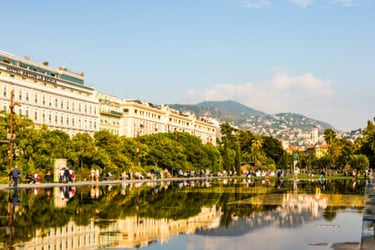
Located directly across from the grand Place de la Bourse, this is the world's largest reflecting pool. A clever underground system covers a massive granite slab with a thin layer of water, creating a perfect mirror reflection of the surrounding palaces. Every few minutes, it switches to a cooling mist cycle. The vibe here is completely joyful—you’ll see locals taking off their shoes to splash around, children playing, and photographers capturing the skyline at sunset.
2. La Cité du Vin
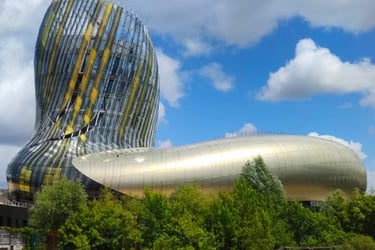
This isn't a stuffy museum with dusty wine bottles. Housed in a striking, ultra-modern building shaped like wine swirling in a glass, this interactive cultural center takes you on a multi-sensory journey through global winemaking history. The entire space is high-tech and immersive, ending on the eighth-floor viewing platform where you get a panoramic view of the river alongside a complimentary glass of wine.
3. The Saint-Pierre District
This is the medieval heart of the city, characterized by a labyrinth of narrow, pedestrian-only cobblestone streets. It opens up into gorgeous, lively plazas like Place du Parlement and Place de la couche. The atmosphere here is electric, packed with independent boutiques, hidden wine bars, and outdoor restaurant seating where people-watching is the main event.
4. Les Bassins des Lumières
Located in a northern industrial district, this former World War II German submarine base has been converted into the world's largest digital art center. Enormous masterpieces by legendary artists are projected onto the soaring, raw concrete walls and reflected in the dark waters of the sub basins. Walking through the cavernous space with classical music echoing off the concrete is a surreal, deeply moving experience.
5. Marché des Capucins
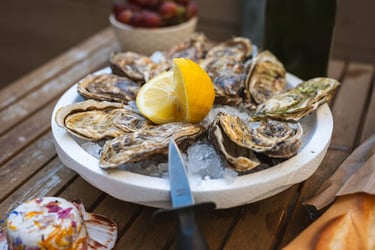
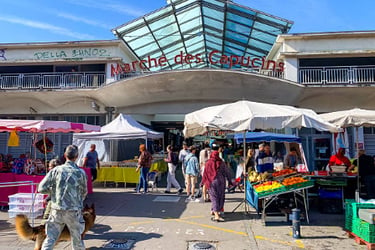
Known to locals as the "belly of Bordeaux," this historic covered market is an absolute feast for the senses. It’s loud, busy, and unpretentious. You’ll find stalls piled high with regional cheeses, cured meats, and fresh produce. The ultimate move here is to grab a seat at one of the counter bars on a weekend morning to eat fresh oysters alongside the locals.
Where to Stay
Where you set up camp matters. Since Bordeaux is highly walkable, picking a hotel based on your preferred neighborhood vibe will completely shape your trip.
1. Quality Hotel Bordeaux Centre
Neighborhood: Saint-Pierre
Why stay here: This location is unbeatable for first-time tourists who want to be right in the thick of the action. You can step out of the door and immediately walk to major landmarks like the Grand Théâtre and the Rue Sainte-Catherine shopping district. It is ideal if you want everything on your doorstep, though the central streets can be lively late into the evening.
2. Le Boutique Hotel & Spa
Neighborhood: The Golden Triangle (Triangle d'Or)
Why stay here: Located in the city's most upscale historic district, this area is bounded by grand boulevards and high-end storefronts. It’s incredibly central and safe, making it perfect for travelers who want a slightly quieter, more elegant environment while still being a five-minute walk from the main tram intersections.
3. Radisson Blu Hotel Bordeaux
Neighborhood: Bassins à Flot
Why stay here: Situated in the northern, revitalized docklands, this area is the modern, trendy side of town. It places you right next to La Cité du Vin and Les Bassins des Lumières. It’s slightly removed from the medieval core, but a direct tram line gets you downtown in ten minutes, making it a great base if you prefer contemporary surroundings and proximity to the riverfront regeneration.
4. Hotel Mama Shelter Bordeaux
Neighborhood: Hotel de Ville / Saint-Christoly
Why stay here: This spot sits right next to the massive Saint-André Cathedral and the city hall. It is a highly convenient central hub with excellent transit connections across all major tram lines. The surrounding streets are historic and pedestrian-friendly, offering an excellent balance of daytime sightseeing accessibility and a safe walk home after dark.
Find your perfect home base by browsing the best neighborhood stays and hotel availability here.
Foods You Can't Miss
The culinary scene in Southwest France is heavily influenced by its proximity to both the Atlantic coast and rich agricultural farmlands.
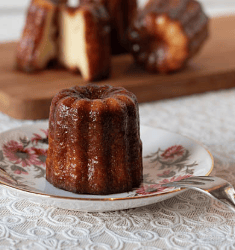
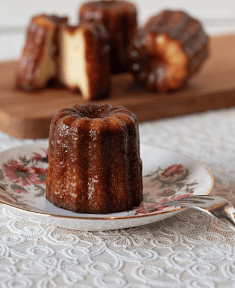
The Canelé: Bordeaux’s signature sweet pastry. It’s a small, ridged cylinder cake with a dark, deeply caramelized, crunchy outer crust and a soft, custardy center flavored with rum and vanilla.
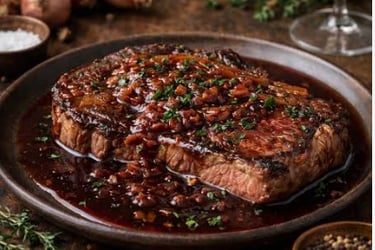
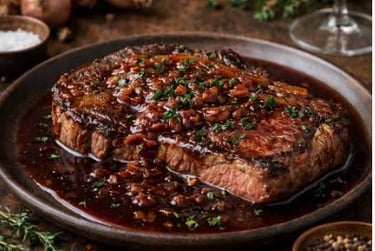
Entrecôte à la Bordelaise: A premium ribeye steak cooked over the embers of dried grapevines. It is traditionally served with a rich, velvety sauce made from local red wine, shallots, butter, and rich bone marrow.
Arcachon Oysters: Exceptionally fresh oysters harvested from the nearby Atlantic bay. They are uniquely served cold on ice alongside a hot, grilled pork sausage called a crépinette.
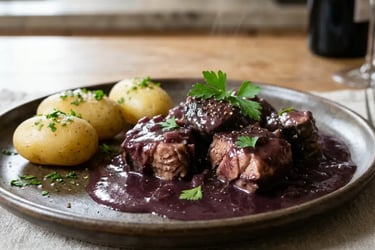
Lamproie à la Bordelaise: A highly traditional, rich river-fish stew. The lamprey is slow-cooked with leeks, cured ham, and a significant amount of robust local red wine, creating an incredibly deep, savory flavor profile.
Dunes Blanches: Light, airy chou pastry puffs filled with a secret, velvety whipped sweet cream and dusted with powdered sugar. They originated in the nearby Arcachon basin but have become a city obsession.
Indulge your inner foodie by booking a guided food and wine pairing experience through the city.
Travel Essentials
To get the most out of Bordeaux’s specific layout and geography, you need to pack intelligently.
Flat, Rubber-Soled Walking Shoes: The historic center is paved with centuries-old limestone flags and cobblestones. They look beautiful, but they can be slick when wet and will punish flimsy footwear. Leave the heels behind and bring supportive sneakers.
An Insulated Refillable Water Bottle: The city is full of beautiful, historic cast-iron fountains that dispense clean, perfectly chilled drinking water for free. Carrying your own bottle keeps you hydrated during long walking tours and reduces plastic waste.
Type C or E Power Adapter: France uses standard European plugs with two round pins running on a 230V system. Make sure you pack the correct adapter to keep your phone, camera, and devices juiced up for photos.
A Packable, Lightweight Windbreaker: Because Bordeaux sits relatively close to the Atlantic ocean, maritime weather fronts can roll in quickly. A bright, warm morning can easily transition into a brisk, breezy afternoon along the riverbanks, so a light layer is essential.
Make sure you’re fully prepared for your French getaway by picking up your travel gear on Amazon.
Best Time to Visit
Bordeaux is a highly seasonal destination, and timing your trip changes the experience completely.
Spring (March - May)The city wakes up, outdoor terraces fill up, and the surrounding vineyards turn a vibrant green. It's an ideal window for crowd-free sightseeing.
Summer (June - August)The busiest and warmest time of year. Days are long, the riverfront is packed with pop-up events, and it's perfect for combining the city with day trips to the Atlantic beaches.
Autumn (September - October)The absolute prime window. This is harvest season (les vendanges) in the vineyards. The energy is fantastic, the autumn foliage turns the countryside golden, and the summer crowds have thinned out.
Winter (November - February)Chilly and quieter, but the city goes all out with festive lighting and traditional Christmas markets throughout December.
Plan your perfect seasonal escape by tracking flight options and holiday availability today.
Final Thoughts
Stepping away from Bordeaux, it’s hard not to feel a little bit spoiled by its pace of life. Walking through those golden stone gates felt less like navigating a major tourist destination and more like being invited into a community that truly understands how to slow down and appreciate the details. My absolute favorite memory isn't an iconic monument; it was simply sitting on a wooden bench by the river, watching the tide churn the Garonne while splitting a box of fresh pastries with the city skyline laid out in front of me. Bordeaux reminds you that travel shouldn't be about rushing to check boxes—it's about finding a sunny terrace, ordering a glass of something local, and watching the world go by.
Turn your travel dreams into reality by booking your full Bordeaux itinerary today.


*Disclosure: This article contains affiliate links. If you purchase after clicking one of these links, we earn a small commission at no extra cost to you. It’s a win-win!
Before you go Everything you need to know before visiting Austria — entry requirements, currency, transport, weather, and travel tips.”
Austria Travel Guide
Discover the best places to visit, hidden gems, itineraries, and practical guides to make the most of your trip.
Tours & Activities
Find unforgettable experiences, day trips, adventures, and tours to add to your Austria itinerary.